


Lia Blundell's
Bat Mitzvah Project


I’ve always wanted to see the Great Barrier Reef. Lately it hasn’t been doing too well, and now that I'm becoming a Bat Mitzvah and a responsible adult in the eyes of the Jewish community, I wanted to step in to help. I’m creating a website where I will review reef-safe sunscreens, provide links to other helpful websites, and raise money for reef preservation.
BELIEF IN THE REEF • BELIEF IN THE REEF • BELIEF IN THE REEF • BELIEF IN THE REEF • BELIEF IN THE REEF •
My Mission
I believe that being aware of the products you're buying is the most beneficial way to help the Reef, so I'm gathering the information and tools you would want to help the Reef. By supporting organizations that create protective policies and promoting reef-safe sunscreens, I am committed to doing my part to help the Great Barrier Reef and all of the world's oceans.

What I've Learned
I've learned so many things about reefs that just keep making me love them more and more. I have so many fun facts for you that'll hopefully make you care about the reefs as much as I do. First of all, 6 of 7 of the world's species of marine turtle are in the Great Barrier Reef. Second of all, The Great Barrier Reef is over 8,000 years old! It's almost as old as my dad! Third of all, It's actually one of the 7 natural wonders of the world. Fourth of all, something called coral spawning happens in the Great Barrier Reef. Coral spawning only happens once a year. What happens during it, is that all the corals in the reef release their reproductive chemicals out into the ocean, encouraging growth of new corals. Finally, there's actually over 3,000 individual reefs!
There's a lot of cool things about the reef, but it's having a lot of problems. One of the main problems is coral bleaching. Coral bleaching occurs when certain chemicals float out into the ocean and are absorbed into corals. These chemicals bleach the coral, and strip it of its reproductive chemicals. The bad chemicals that cause coral bleaching are often found in the products we use like sunscreen. But there's also plenty of sunscreens that don't have these chemicals in them. If we keep working hard, maybe one day this won't be a problem anymore!
I could really go on and on about coral reefs because there's just so many fun and interesting things about them! I hope you learned something fun, and something important, and tell other people these facts too.
The four biggest contributors to the downfall of our
reefs and oceans are:

Use clean, renewable energy wherever you can... buy an electric vehicles and vote for green initiatives! Ride a bike or use public transportation...anything we can do to reduce our dependence on the stuff that’s killing our planet.
Oil and Fossil Fuels

You makea difference every time you opt out of disposable products. Bring cloth shopping bags and a water bottle everywhere you go! Go to my Store to
purchase a tumbler adorned with my original design; all proceeds to the Great Barrier Reef Foundation.
Single Use Plastics

Buy organic! Don't use pesticides or sprays in your garden, and control run-off to your gutters - it all ends up in the oean.
GMO and Pesticides
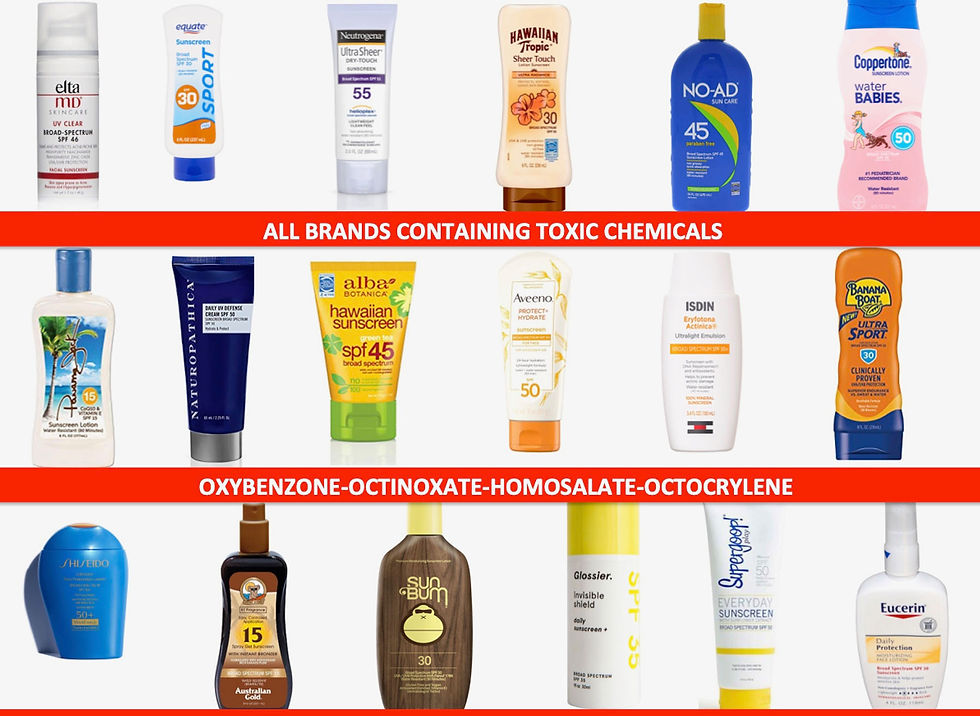
14,000 tons of sunscreen make it into our oceans and reefs every year. Many contain oxybenzone and octinoxate - the biggest killers of coral and marine life.

Sunscreen: What You Should Know
This is a simple sunscreen guide with important information for you to refer to when considering buying new sunscreens.
Remember: Minerals Reflect, Chemicals Absorb
-Goddess Garden Organics


Chemical Sunscreens
Chemical sunscreens absorb UV, convert to heat, and release from the body. They also mimic estrogen and absorb into the bloodstream. The FDA isn't sure if that's safe yet.
Mineral sunscreens
Mineral sunscreens are made of larger sized particles that act as a shield sitting on top of your skin. (Beware they often don't absorb as well and can leave white marks)
Why It's bad
Why It's Good
The chemicals break apart in the ocean and dissolve the natural chemicals in corals that help them reproduce and grow. This is called coral bleaching. Just a little bit of chemical sunscreen can cause major damage to reefs.
They're so bad that several places have banned them like Hawaii, Key West, Bonaire and the Republic of Palau. Just because they’re legal here, doesn’t mean we should use them!
The large minerals don't break apart as easily in the ocean so the corals don't absorb them. The FDA recognizes them as safe for humans and oceans


Sunscreen Bottles - Words to Watch For
Chemical sunscreens:
"Reef Friendly" doesn't always mean it's actually okay for the ocean because this term is unregulated. Flip the sunscreen bottle over, and look for the following.
Active ingredients include:
-
Oxybenzone (This is the worst one!!!)
-
Octinoxate
-
Octocrylene
-
Homosalate
-
4-methylbenzylidene camphor
-
PABA
-
Parabens
-
Triclosan
-
Any nanoparticles or “nano-sized” zinc or titanium (if it doesn’t explicitly say “micro-sized” or “non-nano” and it can rub in, it’s probably nano-sized)
-
Any form of microplastic, such as “exfoliating beads”
Mineral sunscreens:
"Non-Nano"- Minerals are a larger size
Active ingredients:
Zinc Oxide, Titanium Dioxide -
The FDA recognizes them to be safe and effective for people and they don't harm the ocean.

One More Thing...

Aerosols can travel hundreds of miles and can disperse into oceans and people and animals can breath in these chemicals that get into your lungs and blood. there is no way to completely control where the spray ends up, and this makes a big difference!


Helpful Websites


